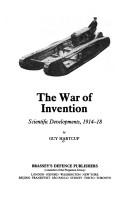
The effect of science on the second World War
- Pages
- 214
- 4 editions
- First published
- 2000
- 1 language
Join or log in to shelve and rate Free, no password.
Overview
"Although scientists were involved on a limited scale in the First World War, advances made in science and technology between the wars made them indispensable from 1939 to 1945. This was recognized by the Allies but not by the Germans or their partners, who had neglected scientific innovations, hoping to exploit their enemy's unpreparedness by a blitzkrieg.
Consequently, the allies, with superior radar, radio, anti-submarine weapons, computerized cryptanalysis, operational research to improve the quality of equipment, and ability to invent an atomic bomb, put them ahead of the Germans. Not only were physicists required but chemists and bacteriologists, had chemical and biological weapons been used; medical scientists reduced the prevalence of disease in theatres of war and mitigated the effect of wounds.
Other innovations like rockets and jet propulsion, intended to turn the tide for the Germans, came too late to be effective."--BOOK JACKET.
Ratings & reviews
Log in to rate or review this book.
No written reviews yet.
Discussions
Talk about this book with other readers.
Log in to start a discussion.
No discussions yet.
Editions


Details & links
- First published
- 2000
- Pages
- 214
- Languages
- Available in 1 language
Where to buy this book: see “Buy this book”
More about this book
Read a sample, borrow it or see other editions → openlibrary.org