The ethical primate
- Pages
- 193
- 2 editions
- First published
- 1994
- 1 language
Join or log in to shelve and rate Free, no password.
Overview
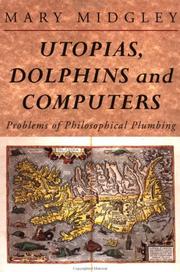
In her new book, Mary Midgley argues that the unrealistic isolation of mind and body in reductive scientific ideologies still causes painful confusion. Such ideologies present crude pictures which are not good science, since they ignore the manifest importance of the higher human faculties. Neither inside nor outside these crude pictures is there room for any realistic notion of the self.
Why should these theories insist on only one kind of answer? There is not just one single legitimate explanation. There are as many answers as there are viewpoints from which questions arise - subjective and objective, practical as well as theoretical.
Human morality arises out of human freedom: we are uniquely free beings in that we are aware of our conflicts of motive. But those conflicts and our capacity to resolve them are part of our natural inheritance. Although our selves are in many ways divided, we share the difficult project of wholeness with other organisms. What matters for our freedom is the recognition of our genuine agency, our slight but nevertheless real power to grasp and arbitrate our inner conflicts.
Ratings & reviews
Log in to rate or review this book.
No written reviews yet.
Discussions
Talk about this book with other readers.
Log in to start a discussion.
No discussions yet.
Editions


Details & links
- First published
- 1994
- Pages
- 193
- Languages
- Available in 1 language
Where to buy this book: see “Buy this book”
More about this book
Read a sample, borrow it or see other editions → openlibrary.org