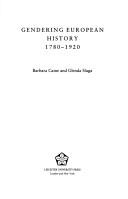
English feminism, 1780-1980
- Pages
- 336
- 2 editions
- First published
- 1997
- 1 language
Join or log in to shelve and rate Free, no password.
Overview
"Barbara Caine's fascinating analysis of feminism in England examines the relationship between feminist thought and actions, and wider social and cultural change over tow centuries. Professor Caine investigates the complex question surrounding the concept of a feminist 'tradition', and shows how much the feminism of any particular period related to the years preceding or following it. Though feminism may have lacked the kind of legitimating tradition evident in other forms of political thought, the ghost of Mary Wollstonecraft was something which all nineteenth- and twentieth-century feminists had to come to terms with. Her story was a constant reminder of the connection between the demand for political and legal rights, and its conflation with the issues of personal and sexual rebellion. Like Wollstonecraft, every woman pioneer into the public arena faced assaults on her honour as well as on her intellectual position. The author also addresses the language of feminism: the introduction and changing meanings of the term 'feminist';the importance of literary representations of women; and the question of how one defines feminism, and establishes boundaries between feminism and the 'woman question'. She ends with a discussion of the new emphasis, post-1980s, on the need to think about 'feminisms' in the plural, rather than any single kind of feminism."--Page 4 of cover.
Ratings & reviews
Log in to rate or review this book.
No written reviews yet.
Discussions
Talk about this book with other readers.
Log in to start a discussion.
No discussions yet.
Editions

Details & links
- First published
- 1997
- Pages
- 336
- Languages
- Available in 1 language
Where to buy this book: see “Buy this book”
More about this book
Read a sample, borrow it or see other editions → openlibrary.org