Art & PhotographyHistoryScience & Nature
The invention of infinity
- Pages
- 257
- 2 editions
- First published
- 1997
- 1 language
Join or log in to shelve and rate Free, no password.
Overview
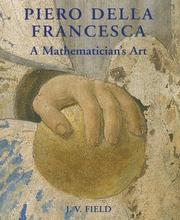
From Giotto to Michelangelo and beyond, the period from about 1300 to 1650 saw an extraordinary flowering in the visual arts in Western Europe. The works produced were sometimes of astonishing quality and their history has been well documented and much discussed.
The scientific endeavour of the time has received considerably less attention. The history of science is a newer discipline than history of art, and no topic is newer than the history of mathematics in the period that saw the beginning of the Renaissance in the arts.
This book tells us about the everyday worlds of art and mathematics in a time when artists were merely 'craftsmen' and their practical mathematics was separate from the mathematics of scholars. The story brings together the histories of art and mathematics and shows how the craftsmen's discoveries changed learned mathematics, taking it beyond the admired achievements of the Ancient Greeks. Infinity at last acquired a precise mathematical meaning.
The journey takes us through consideration of some of the world's most renowned paintings, and lively accounts of the mathematical techniques and discoveries of the time. We are in a world where art and the sciences have not yet pulled apart from one another, and it becomes clear that the mathematical nature of what we now call Science may well owe something to the tradition of what is now called Art.
Ratings & reviews
Log in to rate or review this book.
No written reviews yet.
Discussions
Talk about this book with other readers.
Log in to start a discussion.
No discussions yet.
Editions
-
Format not known Oxford University Press, USA 1997 264 pages English ISBN 9780198523949 Open Library


Details & links
- First published
- 1997
- Pages
- 257
- Languages
- Available in 1 language
Where to buy this book: see “Buy this book”
More about this book
Read a sample, borrow it or see other editions → openlibrary.org