The great hill stations of Asia
- Pages
- 259
- 2 editions
- First published
- 1998
- 1 language
Join or log in to shelve and rate Free, no password.
Overview
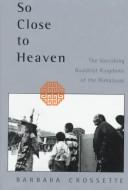
For the European and later the American colonial soldier, the civil administrator and his clerk, the merchant, the missionary, and the families who followed them east of Suez, daily life was less a matter of advancing the glory of God or empire than a battle for survival against sunstroke, dysentery, cholera, and malaria as well as little-examined indispositions that in hindsight would probably be diagnosed as clinical symptoms of depression.
Later, medical scholars coined a phrase for it: "tropical fatigue.".
They called the refuges they created - little European towns carved from rocky mountainsides or nestled in the meadows of high plateaus - "hill stations." Colonialism came and went, but the hill stations remain. They are no longer European, but most have not lost their unique appeal. After all, the plains still fry in the sun and the cities of Asia have only grown larger, noisier, and more polluted.
New generations of Asians are rediscovering hill stations and turning them into tourist resorts with luxury hotels and courses. Hill stations still cling to their history, and the story they tell reveals a lot about how colonial life was lived. They also have a future, if environmental damage and overpopulation do not destroy the forested hills and mountains that give them their spectacular settings and pleasant climates.
In early 1997, Barbara Crossette set off on a journey of several months to see Asia anew through its great hill stations, moving from mountain to mountain from Pakistan, across India, to Sri Lanka, Burma, Malaysia, Vietnam, and the Philippines.
Ratings & reviews
Log in to rate or review this book.
No written reviews yet.
Discussions
Talk about this book with other readers.
Log in to start a discussion.
No discussions yet.
Editions

Details & links
- First published
- 1998
- Pages
- 259
- Languages
- Available in 1 language
Where to buy this book: see “Buy this book”
More about this book
Read a sample, borrow it or see other editions → openlibrary.org