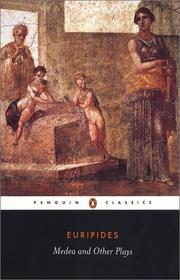
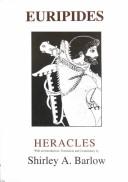
Alcestis, Heracles, children of Heracles, Cyclops
- Pages
- 161
- 2 editions
- First published
- 2003
- 1 language
Join or log in to shelve and rate Free, no password.
Overview
"Euripides wrote about timeless themes, of friendship and enmity, hope and despair, duty and betrayal. The first three plays in this volume are filled with violence or its threat, while the fourth, Cyclops, is our only surviving example of a genuine satyr play, with all the crude and slapstick humour that characterized the genre." "There is death in Alcestis, which explores the marital relationship of Alcestis and Admetus with pathos and grim humour, but whose status as tragedy is subverted by a happy ending. The blood-soaked Heracles portrays deep emotional pain and undeserved suffering; its demand for a more humanistic ethics in the face of divine indifference and callousness makes it one of Euripides' more popular and profound plays. Children of Heracles is a rich and complex work, famous for its dialogues and monologues, in which the effects of war on refugees and the consequences of sheltering them are explored. In Cyclops Euripides takes the familiar story of Odysseus' escape from the Cyclops Polyphemus and turns it to hilarious comic effect."--BOOK JACKET.
Ratings & reviews
Log in to rate or review this book.
No written reviews yet.
Discussions
Talk about this book with other readers.
Log in to start a discussion.
No discussions yet.
Editions

Details & links
- First published
- 2003
- Pages
- 161
- Languages
- Available in 1 language
Where to buy this book: see “Buy this book”
More about this book
Read a sample, borrow it or see other editions → openlibrary.org