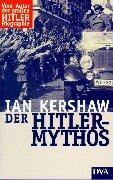
Hitler-Mythos
- Pages
- 303
- 4 editions
- First published
- 1987
- 1 language
Join or log in to shelve and rate Free, no password.
Overview
Few, if any, twentieth-century political leaders have enjoyed greater popularity among their own people than Hitler in the 1930s and 1940s. Yet the personality of Hitler himself and his obsessive ideological fixations can scarcely explain his immense popularity and political effectiveness on his assumption of power in 1933. Hitler's hold over the German people lay rather in the hopes and perceptions of the millions who adored him: their admiration rested less on the bizarre and arcane precepts of Nazi ideology than on social and political values recognizable in many societies other than the Third Reich. Ian Kershaw charts the creation, growth, and decline of the "Hitler myth". He demonstrates how the manufactured Führer cult formed a crucial integrating force in the Third Reich and a vital element in the attainment of Nazi political aims. Masters of the new techniques of propaganda, the Nazis used them to exploit and build on the beliefs, phobias, and prejudices of the day. Their successful "deification" of the Führer in a modern industrial state carries a far from comfortable message. - Back cover.
Ratings & reviews
Log in to rate or review this book.
No written reviews yet.
Discussions
Talk about this book with other readers.
Log in to start a discussion.
No discussions yet.
Editions


Details & links
- First published
- 1987
- Pages
- 303
- Languages
- Available in 1 language
Where to buy this book: see “Buy this book”
More about this book
Read a sample, borrow it or see other editions → openlibrary.org