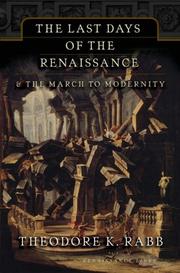
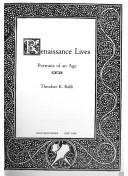
The last days of the Renaissance and the path to modernity
- Pages
- 246
- 1 edition
- First published
- 2006
- 1 language
Join or log in to shelve and rate Free, no password.
Overview
"The Renaissance may have emerged out of the upheavals of the fourteenth century - but when did it end? And why? The renowned historian Theodore Rabb tackles these question in this engaging and deeply learned book, and in so doing recasts our understanding of European history." "In the second half of the seventeenth century, a sea change swept over Europe. The dominant commitments of the preceding centuries were eroding, and a new outlook was emerging from an age of conflict and uncertainty. The ancient world no longer held the European imagination in thrall. Rulers across the continent consolidated political power, asserting control over territories that long had relished their independence. Religion began to lose ground to reason as a model for human inquiry. And both the attitude to war and the belief in the supernatural passed crucial divides. As these vast transformations unfolded, the Renaissance gave way to the Age of Revolution." "By defining the decisive shifts that heralded the end of this momentous era, Rabb enhances our understanding not only of the Renaissance itself but also of the modern world to which it gave birth"--Book jacket.
Ratings & reviews
Log in to rate or review this book.
No written reviews yet.
Discussions
Talk about this book with other readers.
Log in to start a discussion.
No discussions yet.
Editions

Details & links
- First published
- 2006
- Pages
- 246
- Languages
- Available in 1 language
Where to buy this book: see “Buy this book”
More about this book
Read a sample, borrow it or see other editions → openlibrary.org