The new North
- First published
- 2011
- 1 language
Join or log in to shelve and rate Free, no password.
Overview
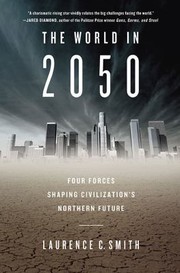
The world in 2050 will be radically different from today. The book explores the 'four locomotives' that are changing the world - climate change, rising population, globalization and resource depletion - and predicts how they will shape the world in the next four decades. Northern countries - notably Canada, Russia and Scandinavia - will rise at the expense of southern ones. Places like New Zealand, Argentina and interior Brazil will also be winners. Patterns of human migration will be dramatically altered - and where we are born will be crucial. "The New North" explores the 'four locomotives' that are changing the world - climate change, rising population, globalisation and resource depletion - and attempts to predict how they will shape the world between now and 2050. It is a book about people, and the 'push' and 'pull' factors that determine where and how they live. In particular, it examines the countries of the far north - Scandinavia, Canada, Greenland, etc - which stand to gain from the changes underway. The book is not a doomsday script. All of human history is a story of adaptation and change, in response to our environment and to each other.
Despite our booming numbers we are healthier, safer, better fed, more knowledgeable, and less violent than ever before. The population boom is slowing, our prosperity generally rising. And as our coastlines inundate and the deserts encroach, there will be new homelands for us throughout the high latitudes and high altitudes, places currently marginal for human existence. Who will benefit? Who will suffer? Current migration trends - to Florida and the drought-stricken American southwest, towards vulnerable low-lying coasts, into Asian megacities atop subsiding deltas - will go into reverse. Instead, we will turn north, where the tragic loss of unique ecosystems will be countered by rising biological production, stable water supplies, warmer winters, rising food stocks, and new shipping access throughout the region.
These physical benefits intertwine crucially with human ones, like abundant cheap land, stable governance and legal systems, new oil discoveries, the end of indigenous land-claims, and rising global markets for energy, raw materials, and food.
Ratings & reviews
Log in to rate or review this book.
No written reviews yet.
Discussions
Talk about this book with other readers.
Log in to start a discussion.
No discussions yet.
Editions

Details & links
- First published
- 2011
- Languages
- Available in 1 language
Where to buy this book: see “Buy this book”
More about this book
Read a sample, borrow it or see other editions → openlibrary.org