Medieval canon law
- Pages
- 266
- 10 editions
- First published
- 1995
- 1 language
Join or log in to shelve and rate Free, no password.
Overview
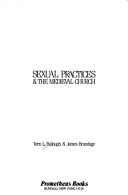
It is impossible to understand how the medieval church functioned - and in turn influenced and controlled the lay world within its care - without understanding the development, character and impact of 'canon law', its own distinctive legal system. Canon law touched the lives of virtually everyone, permeating medieval society at every level, for its prescriptions were binding upon all Christians.
Every diocese in Western Christendom accordingly maintained local canonical courts to enforce the church's rules, and to provide a forum for resolving disputes in which the church claimed an interest. Professor Brundage explains the origins of canon law in the early Christian church, and its gradual development through to its full flowering in the age of Gratian and the schools of law in the classical period (1140-1375).
In addition, as well as a Select Bibliography, there are two invaluable Appendices: the first explains the Romano-canonical citation system (a challenge that would defeat a lesser pen, but to which Professor Brundage rises superbly), and the second offers biographical notes on the major canonists of the classical period.
Ratings & reviews
Log in to rate or review this book.
No written reviews yet.
Discussions
Talk about this book with other readers.
Log in to start a discussion.
No discussions yet.
Editions

Details & links
- First published
- 1995
- Pages
- 266
- Languages
- Available in 1 language
Where to buy this book: see “Buy this book”
More about this book
Read a sample, borrow it or see other editions → openlibrary.org