Humankind
- Pages
- 190
- 1 edition
- First published
- 2004
- 1 language
Join or log in to shelve and rate Free, no password.
Overview
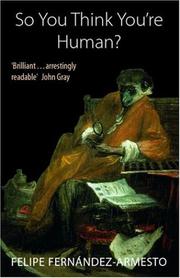
"Chimps and humans are objectively so alike that an anthropologist from Mars might classify them together; advances in artificial intelligence mean that humans no longer have exclusive access to reason, consciousness and imagination; developments in genetics threaten humanity with an uncertain future. The harder we cling to the concept of humanity, the more slippery it becomes. But if it breaks down altogether, what will this mean for human values, human rights, and the defense of human dignity?" "Humankind confronts these problems from a historical perspective, showing how our current understanding of what it means to be human has been shaken by new challenges from science and philosophy. The author shows how our concept of humankind has changed over time, tracing its faltering expansion to its present limits and arguing that these limits are neither fixed nor scientifically verifiable. Controversially, he proposes that we have further to go in developing our concept of humankind and that we need to rethink it as a matter of urgency."--BOOK JACKET.
Ratings & reviews
Log in to rate or review this book.
No written reviews yet.
Discussions
Talk about this book with other readers.
Log in to start a discussion.
No discussions yet.
Editions

Details & links
- First published
- 2004
- Pages
- 190
- Languages
- Available in 1 language
Where to buy this book: see “Buy this book”
More about this book
Read a sample, borrow it or see other editions → openlibrary.org