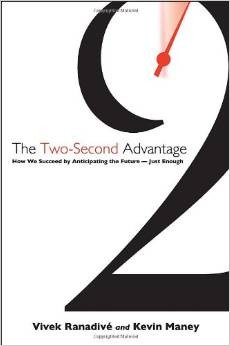
The two-second advantage
- Pages
- 243
- 3 editions
- First published
- 2011
- 1 language
Join or log in to shelve and rate Free, no password.
Overview
What made Wayne Gretzky the greatest hockey player of all time wasn't his speed on the ice or the uncanny accuracy of his shots, but rather his ability to predict where the puck was going to be an instant before it arrived. In other words, it was Gretzky's brain that made him exceptional. Over the past 15 years, scientists have found that what distinguishes the greatest musicians, athletes, and performers from the rest of us isn't just their motor skills or athletic abilities -- it is the ability to anticipate events before they happen. In a powerful narrative that takes us from the research in the labs to the implementation of predictive technology inside companies, Vivek Ranadive and Kevin Maney reveal how our understanding of human mastery is being applied to the way computers "think." In the near future, the authors argue, the most advanced computer systems and the most successful businesses will anticipate the future much like Wayne Gretzky's brain does. As a result, companies will be able to use a new generation of technology to anticipate customer needs before customers even know what they want, and see production snafus before they occur, traffic jams before they materialize, and operational problems before they arise. Forward-thinking companies will be able to predict the future just a fraction ahead of everyone else with a little bit of the right information at the right time -- what the authors call the two-second advantage -- and it will transform the way businesses are run and offer companies an enormous competitive edge in the marketplace. - Jacket flap.
Ratings & reviews
Log in to rate or review this book.
No written reviews yet.
Discussions
Talk about this book with other readers.
Log in to start a discussion.
No discussions yet.
Editions


Details & links
- First published
- 2011
- Pages
- 243
- Languages
- Available in 1 language
Where to buy this book: see “Buy this book”
More about this book
Read a sample, borrow it or see other editions → openlibrary.org