The importance of neglect in policy-making
- Pages
- 212
- 4 editions
- First published
- 2010
- 1 language
Join or log in to shelve and rate Free, no password.
Overview
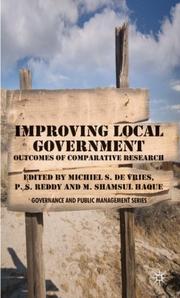
How could the small country called the Netherlands - almost totally destroyed during WW II, being very poor and judged to be primitive at that time - become one of the wealthiest, democratic and modern countries in the World? This book argues that respective Dutch governments, consciously or unconsciously, opted for an efficient and effective solution of focus and flexibility. Instead of trying to accomplish everything at once, they chose to achieve one goal at a time. These goals altered when the previous ones had been achieved and the focus turned to other problems that had been neglected previously. This book offers a theory which argues that it is not only possible to explain when policy change is likely to occur, but also to explain the direction. It argues that what is neglected at present is likely to become dominant in the policies of the near future. The core of a fundamental policy change is always concerned with a shift of attention toward those aspects of problems that were the most chronically neglected in the previous policy. Furthermore it argues that with the birth of a new policy generation, a convergence towards meeting the dominant value of that generation will be noticeable in all policy areas.
Ratings & reviews
Log in to rate or review this book.
No written reviews yet.
Discussions
Talk about this book with other readers.
Log in to start a discussion.
No discussions yet.
Editions


Details & links
- First published
- 2010
- Pages
- 212
- Series
- Governance and public management
- Languages
- Available in 1 language
Where to buy this book: see “Buy this book”
More about this book
Read a sample, borrow it or see other editions → openlibrary.org