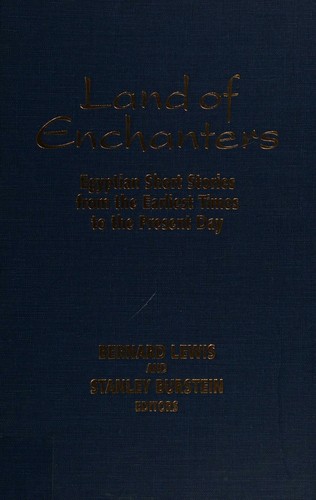
Land of Enchanters--second edition
- Pages
- 183
- 2 editions
- First published
- 2001
- 1 language
Join or log in to shelve and rate Free, no password.
Overview
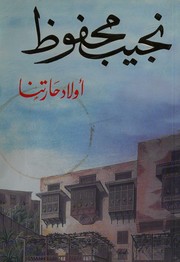
Several civilizations have risen, flourished and fallen in the valley of the Nile, each with its own religion, language, culture, institutions and style of life. Yet beneath them all a certain basic unity persisted. In few fields can this continuity of social life be seen more clearly than in the love of tales and in the manner of telling them. One of the oldest stories known to humanity, that of Sinuhe, shows a subtlety, a self-consciousness and an artificiality that mark it as the product of a highly developed literary tradition. The Greek literature produced in Egypt includes the most famous of all stories, the "Romance of Alexander," later translated and adapted into countless languages. The literature of the Copts is largely church literature. The Arab invasion at the beginning of the 7th century brought a new language, religion and culture to Egypt. Some of the tales in the Thousand and One Nights are also of Egyptian provenance. In the 20th century, the Egyptian novelist Naguib Mahfouz was the first Arab to receive a Nobel prize. The Egyptian has always loved a good story, and told it well. It is by the limitless wealth of imagination that Egyptian literature is chiefly distinguished, and it is thanks to this quality in its literature, religion and monuments that the country impress Hebrew, Greek, Arab and Western European alike as a land of magic and wonder.
Ratings & reviews
Log in to rate or review this book.
No written reviews yet.
Discussions
Talk about this book with other readers.
Log in to start a discussion.
No discussions yet.
Editions


Details & links
- First published
- 2001
- Pages
- 183
- Languages
- Available in 1 language
Where to buy this book: see “Buy this book”
More about this book
Read a sample, borrow it or see other editions → openlibrary.org