HistoryPhilosophy & ReligionScience & Nature
Husserl's crisis of the european sciences and transcendental phenomenology
- First published
- 2012
- 1 language
Join or log in to shelve and rate Free, no password.
Overview
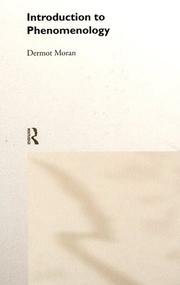
"The Crisis of the European Sciences is Husserl's last and most influential book, written in Nazi Germany where he was discriminated against as a Jew. It incisively identifies the urgent moral and existential crises of the age and defends the relevance of philosophy at a time of both scientific progress and political barbarism. It is also a response to Heidegger, offering Husserl's own approach to the problems of human finitude, history and culture. The Crisis introduces Husserl's influential notion of the 'life-world' - the pre-given, familiar environment that includes both 'nature' and 'culture' - and offers the best introduction to his phenomenology as both method and philosophy. Dermot Moran's rich and accessible introduction to the Crisis explains its intellectual and political context, its philosophical motivations and the themes that characterize it. His book will be invaluable for students and scholars of Husserl's work and of phenomenology in general"--
Ratings & reviews
Log in to rate or review this book.
No written reviews yet.
Discussions
Talk about this book with other readers.
Log in to start a discussion.
No discussions yet.
Editions
Details & links
- First published
- 2012
- Languages
- Available in 1 language
Where to buy this book: see “Buy this book”
More about this book
Read a sample, borrow it or see other editions → openlibrary.org