The Cambridge companion to fantasy literature
- Pages
- 298
- 2 editions
- First published
- 2012
- 1 language
Join or log in to shelve and rate Free, no password.
Overview
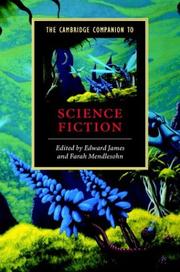
"Fantasy is a creation of the Enlightenment and the recognition that excitement and wonder can be found in imagining impossible things. From the ghost stories of the Gothic to the zombies and vampires of twenty-first-century popular literature, from Mrs Radcliffe to Ms Rowling, the fantastic has been popular with readers. Since Tolkien and his many imitators, however, it has become a major publishing phenomenon. In this volume, critics and authors of fantasy look at the history of fantasy since the Enlightenment, introduce readers to some of the different codes for the reading and understanding of fantasy and examine some of the many varieties and subgenres of fantasy; from magical realism at the more literary end of the genre, to paranormal romance at the more popular end. The book is edited by the same pair who edited The Cambridge Companion to Science Fiction (winner of a Hugo Award in 2005)"--
"Fantasy is not so much a mansion as a row of terraced houses, such as the one that entranced us in C. S. Lewis's The Magician's Nephew with its connecting attics, each with a door that leads into another world. There are shared walls, and a certain level of consensus around the basic bricks, but the internal decor can differ wildly, and the lives lived in these terraced houses are discrete yet overheard. Fantasy literature has proven tremendously difficult to pin down. The major theorists in the field - Tzvetan Todorov, Rosemary Jackson, Kathryn Hume, W. R. Irwin and Colin Manlove - all agree that fantasy is about the construction of the impossible whereas science fiction may be about the unlikely, but is grounded in the scientifically possible. But from there these critics quickly depart, each to generate definitions of fantasy which include the texts that they value and exclude most of what general readers think of as fantasy. Most of them consider primarily texts of the nineteenth and early twentieth century. If we turn to twentieth-century fantasy, and in particular the commercially successful fantasy of the second half of the twentieth century, then, after Tolkien's classic essay, 'On Fairy Stories', the most valuable theoretical text for taking a definition of fantasy beyond preference and intuition is Brian Attebery's Strategies of Fantasy (1992)"--
Ratings & reviews
Log in to rate or review this book.
No written reviews yet.
Discussions
Talk about this book with other readers.
Log in to start a discussion.
No discussions yet.
Editions

Details & links
- First published
- 2012
- Pages
- 298
- Languages
- Available in 1 language
Where to buy this book: see “Buy this book”
More about this book
Read a sample, borrow it or see other editions → openlibrary.org