Detective fiction and the rise of forensic science
- Pages
- 341
- 2 editions
- First published
- 1999
- 1 language
Join or log in to shelve and rate Free, no password.
Overview
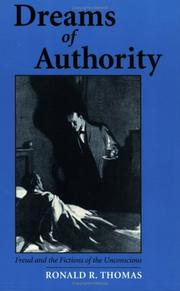
"This is the first book about the relationship between the development of forensic science in the nineteenth century and the invention of the new literary genre of detective fiction in Britain and America. Ronald R. Thomas examines the criminal body as a site of interpretation and enforcement in a wide range of fictional examples, from Poe, Dickens and Hawthorne through Twain and Conan Doyle to Hammett, Chandler and Christie. He is especially concerned with the authority the literary detective manages to secure through the "devices"--Fingerprinting, photography, lie detectors - with which he discovers the truth and establishes his expertise, and the way in which those devices relate to broader questions of cultural authority at decisive moments in the history of the genre. This is an interdisciplinary project, framing readings of literary texts with an analysis of contemporaneous developments in criminology, the rules of evidence, and modern scientific accounts of identity."--Jacket.
Ratings & reviews
Log in to rate or review this book.
No written reviews yet.
Discussions
Talk about this book with other readers.
Log in to start a discussion.
No discussions yet.
Editions

Details & links
- First published
- 1999
- Pages
- 341
- Languages
- Available in 1 language
Where to buy this book: see “Buy this book”
More about this book
Read a sample, borrow it or see other editions → openlibrary.org