HistoryPhilosophy & ReligionPolitics & Society
Damned women
- Pages
- 240
- 3 editions
- First published
- 1997
- 1 language
Join or log in to shelve and rate Free, no password.
Overview
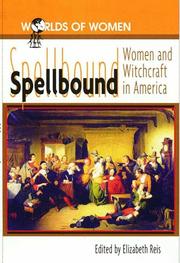
In her analysis of the cultural construction of gender in early America, Elizabeth Reis explores the intersection of Puritan theology, Puritan evaluations of womanhood, and the Salem witchcraft episodes. She finds in that intersection the basis for understanding why women were accused of witchcraft more often than men, why they confessed more often, and why they frequently accused other women of being witches.
In the process of negotiating their beliefs about the devil's powers in practical ways, both women and men embedded womanhood in the discourse of depravity. Women and men feared hell equally but the Puritan culture encourage women to believe that it was their vile natures which would take them there rather than the particular sins they may have committed.
Following the Salem witchcraft trials, Reis argues, Puritans' understanding of sin and the devil changed. Women and men took more responsibility for their sins and became increasingly confident of their redemption, yet women more than men continued to imagine themselves as essentially corrupt, even after the Great Awakening.
Ratings & reviews
Log in to rate or review this book.
No written reviews yet.
Discussions
Talk about this book with other readers.
Log in to start a discussion.
No discussions yet.
Editions


Details & links
- First published
- 1997
- Pages
- 240
- Languages
- Available in 1 language
Where to buy this book: see “Buy this book”
More about this book
Read a sample, borrow it or see other editions → openlibrary.org