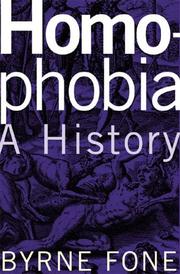
A Road To Stonewall 1750-1969
- Pages
- 303
- 3 editions
- First published
- 1994
- 1 language
Join or log in to shelve and rate Free, no password.
Overview
Since the June 1969 uprising at New York's Stonewall Inn, the very word "Stonewall" has become etched in the American psyche as a synonym for "liberation." Stonewall proved a cataclysmic marker in the lives of gay men and lesbians: it was the point after which gay people were no longer content to live in fearful silence as their most basic rights were trampled on or ignored. Stonewall happened because homosexuals of all races revolted against an act of official oppression. It was indeed a beginning, but it was also the culmination of a long struggle against the tyranny of socially regulated and defined speech about homosexuality.
In this insightful and engaging analysis, Byrne R. S. Fone maps out one very significant road to Stonewall - the literary course of male homoerotic desire and the homophobia that has made so much of what homosexuals have written so passionate and moving. Most of the texts Fone analyzes presume that sexuality is the central aspect of identity. Whereas gay literature since 1969 has been a vocal and supporting partner to the activism that has characterized the movement for lesbian and gay rights, before 1969 there were few political initiatives and only a handful of organized groups: the text was dominant.
Ratings & reviews
Log in to rate or review this book.
No written reviews yet.
Discussions
Talk about this book with other readers.
Log in to start a discussion.
No discussions yet.
Editions

Details & links
- First published
- 1994
- Pages
- 303
- Languages
- Available in 1 language
Where to buy this book: see “Buy this book”
More about this book
Read a sample, borrow it or see other editions → openlibrary.org