Decade of Nightmares
- Pages
- 344
- 6 editions
- First published
- 2005
- 1 language
Join or log in to shelve and rate Free, no password.
Overview
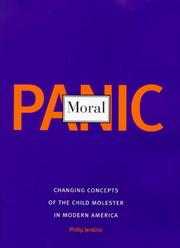
Drawing on a wide array of sources--including tabloid journalism, popular fiction, movies, and television shows--Philip Jenkins argues that a remarkable confluence of panics, scares, and a few genuine threats created a climate of fear that led to the conservative reaction. He identifies 1975 to 1986 as the watershed years. During this time, he says, there was a sharp increase in perceived threats to our security at home and abroad. At home, America seemed to be threatened by monstrous criminals--serial killers, child abusers, Satanic cults, and predatory drug dealers, to name just a few. On the international scene, we were confronted by the Soviet Union and its evil empire, by OPEC with its stranglehold on global oil, by the Ayatollahs who made hostages of our diplomats in Iran. Increasingly, these dangers began to be described in terms of moral evil. Rejecting the radicalism of the '60s, which many saw as the source of the crisis, Americans adopted a more pessimistic interpretation of human behavior, which harked back to much older themes in American culture. This simpler but darker vision ultimately brought us Ronald Reagan and the ascendancy of the political Right, which more than two decades later shows no sign of loosening its grip.--from publisher description.
Ratings & reviews
Log in to rate or review this book.
No written reviews yet.
Discussions
Talk about this book with other readers.
Log in to start a discussion.
No discussions yet.
Editions


Details & links
- First published
- 2005
- Pages
- 344
- Languages
- Available in 1 language
Where to buy this book: see “Buy this book”
More about this book
Read a sample, borrow it or see other editions → openlibrary.org