Histoire intellectuelle du libéralisme
- Pages
- 137
- 6 editions
- First published
- 1987
- 2 languages
Join or log in to shelve and rate Free, no password.
Overview
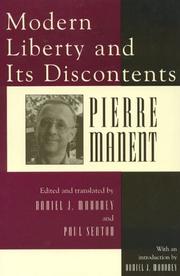
Highlighting the social tensions that confront the liberal tradition, Pierre Manent draws a portrait of what we, citizens of modern liberal democracies, have become. For Manent, a discussion of liberalism encompasses the foundations of modern society, its secularism, its individualism, and its conception of rights. The frequent incapacity of the morally neutral, democratic state to further social causes, he argues, derives from the liberal stance that political life does not serve a higher purpose.
Through a series of quick-moving, highly synthetic essays, he explores the development of liberal thinking in terms of a single theme: the decline of theological politics.
The author traces the liberal stance to Machiavelli, who, in seeking to divorce everyday life from the pervasive influence of the Catholic church, separated politics from all notions of a cosmological order. What followed, as Manent demonstrates in his analyses of Locke, Hobbes, Rousseau, Guizot, and Constant, was the evolving concept of an individual with no goals outside the confines of the self and a state with no purpose but to prevent individuals from dominating one another.
Weighing both the positive and negative effects of such a political arrangement, Manent raises important questions about the fundamental political issues of the day, among them the possibility of individual rights being reconciled with the necessary demands of political organization, and the desirability of a government system neutral about religion but not about public morals.
Ratings & reviews
Log in to rate or review this book.
No written reviews yet.
Discussions
Talk about this book with other readers.
Log in to start a discussion.
No discussions yet.
Editions


Details & links
- First published
- 1987
- Pages
- 137
- Languages
- Available in 2 languages
Where to buy this book: see “Buy this book”
More about this book
Read a sample, borrow it or see other editions → openlibrary.org