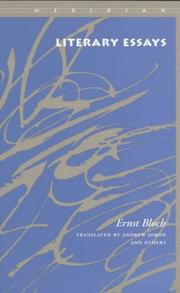
The utopian function of art and literature
- Pages
- 310
- 3 editions
- First published
- 1987
- 1 language
Join or log in to shelve and rate Free, no password.
Overview
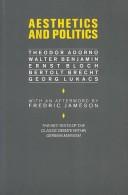
The aesthetic essays of the philosopher Ernst Bloch (1885-1977) belong to the rich tradition of cultural criticism represented by Georg Lukacs, Theodor Adorno, and Walter Benjamin. Bloch was a significant creative source for these thinkers, and his impact is nowhere more evident than in writings on art. Bloch was fascinated with art as a reflection of both social realities and human dreams. Whether he is discussing architecture or detective novels, the theme that drives his work is always the same -- the striving for "something better," for a "homeland" that is more socially aware, more humane, more just. The book opens with an illuminating discussion between Bloch and Adorno on the meaning of utopia; then follow 12 essays written between 1930 and 1973 on topics as diverse as aesthetic theory, genres such as music, painting, theater, film, opera, poetry, and the novel, and perhaps most important, popular culture in the form of fairy tales, detective stories, and dime novels. -- Back cover.
Ratings & reviews
Log in to rate or review this book.
No written reviews yet.
Discussions
Talk about this book with other readers.
Log in to start a discussion.
No discussions yet.
Editions

Details & links
- First published
- 1987
- Pages
- 310
- Languages
- Available in 1 language
Where to buy this book: see “Buy this book”
More about this book
Read a sample, borrow it or see other editions → openlibrary.org