Desert Shield to Desert Storm
- Pages
- 591
- 3 editions
- First published
- 1992
- 1 language
Join or log in to shelve and rate Free, no password.
Overview
During the first two weeks of the air campaign in January 1991, the allied forces dropped more conventional explosives on Iraq and Kuwait than during the 310 weeks of the Second World War. How did Saddam Hussein fail to draw the right lesson from the Iran-Iraq War--the United States would never allow an unfriendly nation to dominate the region containing two-thirds of the world's oil reserves? And how was President George Bush able to assemble and hold together such a formidable coalition of 28 European and Arab countries?
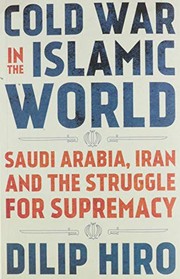
In this perceptive and detailed account of the second Gulf War, Dilip Hiro, author of the much-acclaimed book The Longest War, reveals the complex political-economic motivation and diplomatic maneuvering that preceded the 42-day conflict as well as the historical causes and consequences of the war. He shows how Saddam Hussein, encouraged by internal discontent in Kuwait and angered by Kuwait's attempts to undermine Iraq's economy by depressing the price of oil by flooding the international market, made a grievous miscalculation in his invasion of Kuwait. Intent on halting the rise of the United States as the sole superpower in the region, Hussein instead enhanced Washington's power and prestige and curtailed Iraq's independence.
Assisted by the ending of the Cold War, the United States--in a diplomatic blitzkrieg before hostilities began--was able to fashion a complex, fragile coalition and to muster 750,000 troops and an unparalleled military machine in the region. Dilip Hiro examines the strains within the alliance; the unprecedented cooperation between Washington and Moscow; the new and enhanced role of the United Nations; the financial trade-offs and material inducements between the allies; the repeated attempts at linkage with the Palestinian problem; the delicate roles of Israel, Iran, Turkey and the various Arab regimes; the use of television as an instant diplomatic tool; the causes, course and consequences of the war itself; and the prospects of stability in a region where the gulf between oil-producing and non-oil-producing countries remains as perilously wide as ever.
Containing maps, a chronology of events, extensive source-notes and all relevant Security Council resolutions, the book is a comprehensive and objective chronicle of the war as well as an invaluable aid to the understanding of contemporary history and Middle Eastern affairs.
Ratings & reviews
Log in to rate or review this book.
No written reviews yet.
Discussions
Talk about this book with other readers.
Log in to start a discussion.
No discussions yet.
Editions


Details & links
- First published
- 1992
- Pages
- 591
- Languages
- Available in 1 language
Where to buy this book: see “Buy this book”
More about this book
Read a sample, borrow it or see other editions → openlibrary.org