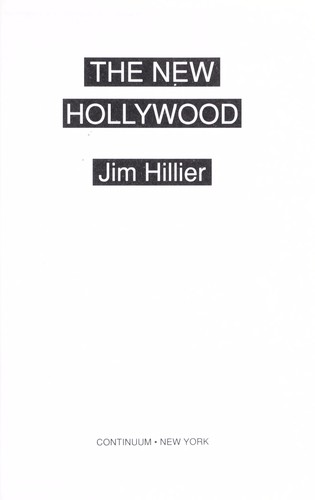
The new Hollywood
- Pages
- 192
- 4 editions
- First published
- 1992
- 1 language
Join or log in to shelve and rate Free, no password.
Overview
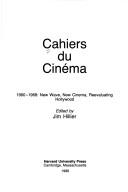
The studio system, which had dominated Hollywood for more than half a century, finally fell apart in the late 1960s. The uncertainty that followed opened the way for independent producers, many of whom were already specializing in exploitation movies with titles like Slumber Party Massacre, which were targeted at the 12-to-20-year-old age group. These films, with their starvation budgets and impossible shooting schedules, gave a start to a number of notable directors. Others were meanwhile trying their luck in television or shooting experimental movies.
The first post-studio directors, the so-called "movie brats" (Spielberg, Lucas, Coppola, Scorsese, and De Palma) are now famous. Behind them has come a new generation of directors, often controversial, who now make some of Hollywood's most interesting pictures. This book, based on in-depth interviews, looks at the experiences of some thirty of them in getting established and keeping afloat in the new Hollywood. Drawing upon information gathered in interviews more often than quoting directly from them, Jim Hillier has produced an absorbing account from the filmmakers' viewpoint of the business of filmmaking.
Some of the new generation of directors have already had hits such as Terminator (James Cameron), The Silence of the Lambs (Jonathan Demme), Gremlins (Joe Dante), Sleeping with the Enemy (Joseph Ruben), and Look Who's Talking (Amy Heckerling). Others continue to make inexpensive horror movies. Yet others divide their time between cinema and television, among them Michael Mann, who directed Manhunter for the cinema and produced Miami Vice and Crime Story for television, and David Lynch of Blue Velvet, Wild at Heart, and Twin Peaks.
Among those included are Bill Duke (A Rage in Harlem), Mike Figgis (Internal Affairs), Randa Haines (Children of a Lesser God), Tim Hunter (River's Edge), Spike Lee (Do the Right Thing), Jim McBride (The Big Easy), and Susan Seidelman (Desperately Seeking Susan). Today, the name Hollywood conjures up not simply tinseltown itself but the whole of the American film industry. The New Hollywood bears witness to the diversity and vigor still remaining in an industry that over the past twenty years has become more dispersed, less rigidly organized - and much more costly. Jim Hillier's book provides the essential background to understanding the economic and creative forces that will carry the American cinema into the 21st century.
Ratings & reviews
Log in to rate or review this book.
No written reviews yet.
Discussions
Talk about this book with other readers.
Log in to start a discussion.
No discussions yet.
Editions


Details & links
- First published
- 1992
- Pages
- 192
- Languages
- Available in 1 language
Where to buy this book: see “Buy this book”
More about this book
Read a sample, borrow it or see other editions → openlibrary.org