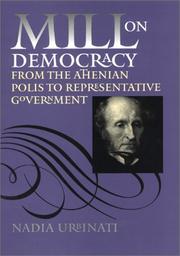
Me the People
- Pages
- 256
- 2 editions
- First published
- 2019
- 1 language
Join or log in to shelve and rate Free, no password.
Overview
In this study of populist politics, Nadia Urbinati argues that populism is best understood as a new form of representative government, based on an unmediated relationship between a leader and those in society whom the leader defines as the "true" people. Leaders of oppositional populist movements gain popularity by taking advantage of a discontent with rule by political elites. Party elites are cast as a homogenous political class who favor their own interests at the expense of ordinary people. Populist leaders who attain office thus face the following puzzle: they must exercise political power without themselves appearing to become part of the political elite. To solve this puzzle, Urbinati argues, populist rulers claim to represent the people by a process of embodiment or incarnation. This form of "direct representation" allows the populist leader both to bypass intermediary bodies, such as political parties, and to avoid any claims of accountability or responsibility. The populist dependence on the will of the leader, along with its willingness to exclude minorities from consideration, renders populist forms of democracy inherently unstable and opens a path to authoritarianism.--
Ratings & reviews
Log in to rate or review this book.
No written reviews yet.
Discussions
Talk about this book with other readers.
Log in to start a discussion.
No discussions yet.
Editions

Details & links
- First published
- 2019
- Pages
- 256
- Languages
- Available in 1 language
Where to buy this book: see “Buy this book”
More about this book
Read a sample, borrow it or see other editions → openlibrary.org