Making Americans
- Pages
- 264
- 2 editions
- First published
- 1992
- 1 language
Join or log in to shelve and rate Free, no password.
Overview
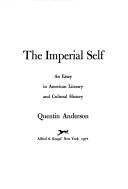
What links the hopes of Communist fellow travelers in the 1930s to the work of Emerson a century earlier? Why do we give so much attention to celebrities? And why have we virtually erased the distinction between public and private affairs? Quentin Anderson shows that American individualism goes deeper than we admit. Only in America did writers and thinkers make the claim that a life worth living must subordinate family ties and social obligations to the visionary powers of the self. Drawing on the work of Emerson, Thoreau, Whitman, John Dewey, and Henry James - all of whom reacted strongly to the infiltration of money in the national imagination - Anderson finds that in denying the ties and obligations of an existing society each ended up by creating what he calls a "visionary capitalism." Such wholesale appropriations of the American scene, whether in art or systematic thought, discount history and individual action within society. He finds this tendency to grasp the world as an individual imaginative possession in both T.S. Eliot and Ezra Pound and persistent in the claim to an impersonal authority in contemporary literary criticism. Anderson concludes: "We shall not crack the money firmament or attain to the freedom we want until we see that such liberty comes from the quality of our relations with other people and in no other way."
Ratings & reviews
Log in to rate or review this book.
No written reviews yet.
Discussions
Talk about this book with other readers.
Log in to start a discussion.
No discussions yet.
Editions

Details & links
- First published
- 1992
- Pages
- 264
- Languages
- Available in 1 language
Where to buy this book: see “Buy this book”
More about this book
Read a sample, borrow it or see other editions → openlibrary.org