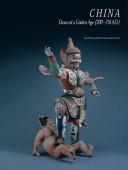
When silk was gold
- Pages
- 238
- 2 editions
- First published
- 1997
- 1 language
Join or log in to shelve and rate Free, no password.
Overview
The material presented in this volume significantly extends what has been known to date of Asian textiles produced from the Tang (618-907) through the early Ming period (late 14th-early 15th century), and new documentation gives full recognition to the importance of luxury textiles in the history of Asian art. Costly silks and embroideries were the primary vehicle for the migration of motifs and styles from one part of Asia to another, particularly during the Tang and Mongol (1207-1368) periods.
In addition, they provide material evidence of both the cultural and religious ties that linked ethnic groups and the impetus to artistic creativity that was inspired by exposure to foreign goods.
The demise of the Silk Roads and the end of expansionist policies, together with the rapid increase in maritime trade, brought to an end the vital economic and cultural interchange that had characterized the years preceding the death of the Ming-dynasty Yongle emperor in 1424. Overland, intrepid merchants no longer transported silks throughout Eurasia and weavers no longer traveled to distant lands.
But the products that survive from that wondrous time attest to a glorious era - when silk was resplendent as gold.
Ratings & reviews
Log in to rate or review this book.
No written reviews yet.
Discussions
Talk about this book with other readers.
Log in to start a discussion.
No discussions yet.
Editions
-
Format not known Metropolitan Museum of Art in cooperation with the Cleveland Museum of Art 1997 238 pages English ISBN 9780870998256 Open Library

Details & links
- First published
- 1997
- Pages
- 238
- Languages
- Available in 1 language
Where to buy this book: see “Buy this book”
More about this book
Read a sample, borrow it or see other editions → openlibrary.org