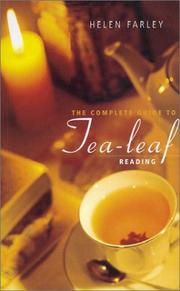
A cultural history of tarot
- Pages
- 270
- 4 editions
- First published
- 2009
- 1 language
Join or log in to shelve and rate Free, no password.
Overview
"The enigmatic and richly illustrative tarot deck reveals a host of strange and iconic images, such as The Tower, The Wheel of Fortune, The Hanged Man and The Fool: over which loom the terrifying figures of Death and The Devil. The 21 numbered playing cards of tarot have always exerted strong fascination, way beyond their original purpose, and the multiple resonances of the deck are ubiquitous." "From T.S. Eliot and his 'wicked pack of cards' in "The Waste Land" to the psychic divination of Solitaire in Ian Fleming's "Live and Let Die"; and from the satanic novels of Dennis Wheatley to the deck's adoption by New Age practitioners, the cards have in modern times become inseparably connected to the occult. They are now viewed as arguably the foremost medium of prophesying and foretelling. Yet, as the author shows, originally the tarot were used as recreational playing cards by the Italian nobility in the Renaissance. It was only much later, in the 18th and 19th centuries, that the deck became associated with esotericism before evolving finally into a diagnostic tool for mind, body and spirit." "This is the first book to explore the remarkably varied ways in which tarot has influenced culture. Tracing the changing patterns of the deck's use, from game to mysterious oracular device, Helen Farley examines tarot's emergence in 15th century Milan and discusses its later associations with astrology, kabbalah and the Age of Aquarius."--Jacket.
Ratings & reviews
Log in to rate or review this book.
No written reviews yet.
Discussions
Talk about this book with other readers.
Log in to start a discussion.
No discussions yet.
Editions
-
Format not known I. B. Tauris & Company, Limited 2019 288 pages English ISBN 9781788314916 Open Library


Details & links
- First published
- 2009
- Pages
- 270
- Languages
- Available in 1 language
Where to buy this book: see “Buy this book”
More about this book
Read a sample, borrow it or see other editions → openlibrary.org