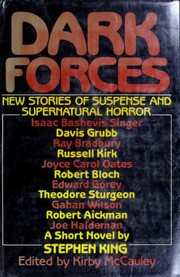
Isaac Bashevis Singer
- Pages
- 546
- 4 editions
- First published
- 1986
- 1 language
Join or log in to shelve and rate Free, no password.
Overview
Isaac Bashevis Singer loved to give interviews. He was famous for encouraging interruptions of the solitary task of writing. These twenty-four welcomed interruptions are representative of the many he allowed over a twenty-five-year period. Included here are his conversations with such interviewers as Irving Howe, Laurie Colwin, Richard Burgin, and Herbert R. Lottman. In these talks Singer discusses the nature of his writing, its ethnic roots, his demonology, the importance of free will, and the place of storytelling in human life. The interviews with Singer reveal both his impish sense of humor and a determination that sustained him through many years of limited acclaim and comparative neglect by critics. Yiddishists often faulted him for refusing to use his talent as a force for change in the world, Jewish readers often deplored his use of pre-Enlightenment folk material, and academics could not take too seriously a writer who insisted on telling stories that emphasized plot and character. Yet he was not deterred from his astonishing and beloved work, for which he was awarded the Nobel Prize.
Ratings & reviews
Log in to rate or review this book.
No written reviews yet.
Discussions
Talk about this book with other readers.
Log in to start a discussion.
No discussions yet.
Editions
-
Format not known University Press of Mississippi 1992 259 pages English ISBN 9780878055890 Open Library


Details & links
- First published
- 1986
- Pages
- 546
- Languages
- Available in 1 language
- Audiobook
- Audiobook edition known
Where to buy this book: see “Buy this book”
More about this book
Read a sample, borrow it or see other editions → openlibrary.org