How much is enough?
- Pages
- 243
- 1 edition
- First published
- 2012
- 1 language
Join or log in to shelve and rate Free, no password.
Overview
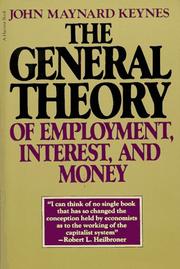
Analyzes questions that arose from the 2008 financial crisis while assessing the predictions of John Maynard Keynes, sharing the authors' views of a positive life and how recent generations have traded morality for wealth.
What constitutes the good life? What is the true value of money? Why do we work such long hours merely to acquire greater wealth? These are some of the questions that many asked themselves when the financial system crashed in 2008. Authors Robert and Edward Skidelsky begin with he great economist John Maynard Keynes. In 1930 Keynes predicted that, within a century, per capita income would steadily rise, people's basic needs would be met, and no one would have to work more than fifteen hours a week. Clearly, we has wrong: though income has increased as he envisioned, people's wants have seemingly gone unsatisfied and they continue to work long hours. The Skidelskys explain why Keynes was mistaken. Arguing from the premise that economics is a moral science, they trace the concept of the good life from Aristotle to the present and show how our lives over the last half century have strayed from that ideal. Finally, they issue a call to rethink what really matters in our lives and how to attain it.
Ratings & reviews
Log in to rate or review this book.
No written reviews yet.
Discussions
Talk about this book with other readers.
Log in to start a discussion.
No discussions yet.
Editions

Details & links
- First published
- 2012
- Pages
- 243
- Languages
- Available in 1 language
Where to buy this book: see “Buy this book”
More about this book
Read a sample, borrow it or see other editions → openlibrary.org