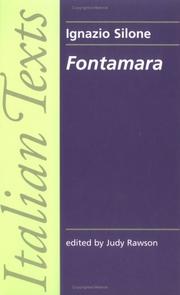
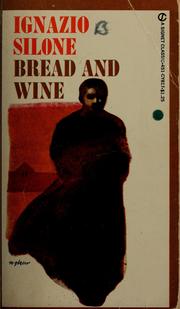
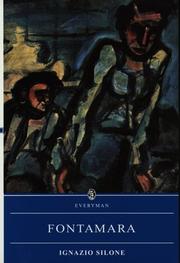
Pane e vino
- Pages
- 316
- 30 editions
- First published
- 1936
- 2 languages
Join or log in to shelve and rate Free, no password.
Overview
In Ignazio Silone's "Bread and Wine," a young revolutionary, Pietro Spina, disguised as a priest, returns to his homeland of Abruzzo to organize the peasants against the fascist regime, exploring themes of faith, revolution, and the human spirit in a world on the brink of war.
Key Aspects of the Novel:
Pietro Spina's Journey:
Pietro, a revolutionary, returns to Abruzzo after years in exile, seeking to incite a peasant rebellion against the fascist regime.
The Fascist Regime:
The novel depicts the brutality and lies of the fascist state, highlighting its use of force and manipulation.
Faith and Revolution:
Pietro's disguise as a priest, Don Paolo Spada, allows him to interact with the people and explore the complexities of faith and revolution.
The Peasant Life:
The novel offers a portrayal of the lives of the peasants in Abruzzo, their struggles, and their potential for resistance.
Themes of Humanity:
"Bread and Wine" examines the human condition, exploring themes of goodness, morality, and the search for meaning in a world on the brink of war.
Abruzzo Trilogy:
Bread and Wine is the second novel in Silone's celebrated Abruzzo Trilogy.
Ratings & reviews
Log in to rate or review this book.
No written reviews yet.
Discussions
Talk about this book with other readers.
Log in to start a discussion.
No discussions yet.
Editions


Details & links
- First published
- 1936
- Pages
- 316
- Languages
- Available in 2 languages
Where to buy this book: see “Buy this book”
More about this book
Read a sample, borrow it or see other editions → openlibrary.org