Golden Age of Watercolours
- Pages
- 144
- 2 editions
- First published
- 2001
- 1 language
Join or log in to shelve and rate Free, no password.
Overview
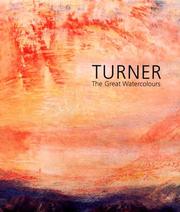
"Watercolour flourished as an artistic medium in late eighteenth- and nineteenth-century England. Its transparency afforded both rich colour and exact tonal control, while its portability, speed of drying and relative technical ease permitted direct contact with nature, as well as great expressivity. The spontaneity of watercolour made it the perfect medium for capturing the fleeting light and weather effects of Britain, and, because of it, there arose a group of painters who put English art on the global cultural map." "These 'Golden Age' watercolourists included John Robert Cozens, Thomas Girtin, J.M.W. Turner, John Sell Cotman, David Cox and Peter de Wint. Cozens expanded the spatial breadth and character of landscape images, influencing both Girtin and Turner.
Turner used watercolour to search for future images, producing a body of work that prefigures abstract painting. For Cotman, watercolour permitted a highly lucid method of representing reality, while it allowed Cox great expressiveness and de Wint the ability to find his imagery within the very act of painting itself. Such later artists as Louis Francia, Richard Parkes Bonington, Thomas Shotter Boys, William James Miller and John Frederick Lewis equally employed watercolour in the most virtuosic ways possible."--Jacket.
Ratings & reviews
Log in to rate or review this book.
No written reviews yet.
Discussions
Talk about this book with other readers.
Log in to start a discussion.
No discussions yet.
Editions


Details & links
- First published
- 2001
- Pages
- 144
- Languages
- Available in 1 language
Where to buy this book: see “Buy this book”
More about this book
Read a sample, borrow it or see other editions → openlibrary.org